Earth’s Secret Alliance: Study Edition
Welcome Teachers & Librarians!
“I was surprised at how many “life lessons” you squeezed into such a small amount of pages.”
— Amy Lynn McConahy, Clean Fiction Magazine
What is Earth’s Secret Alliance?
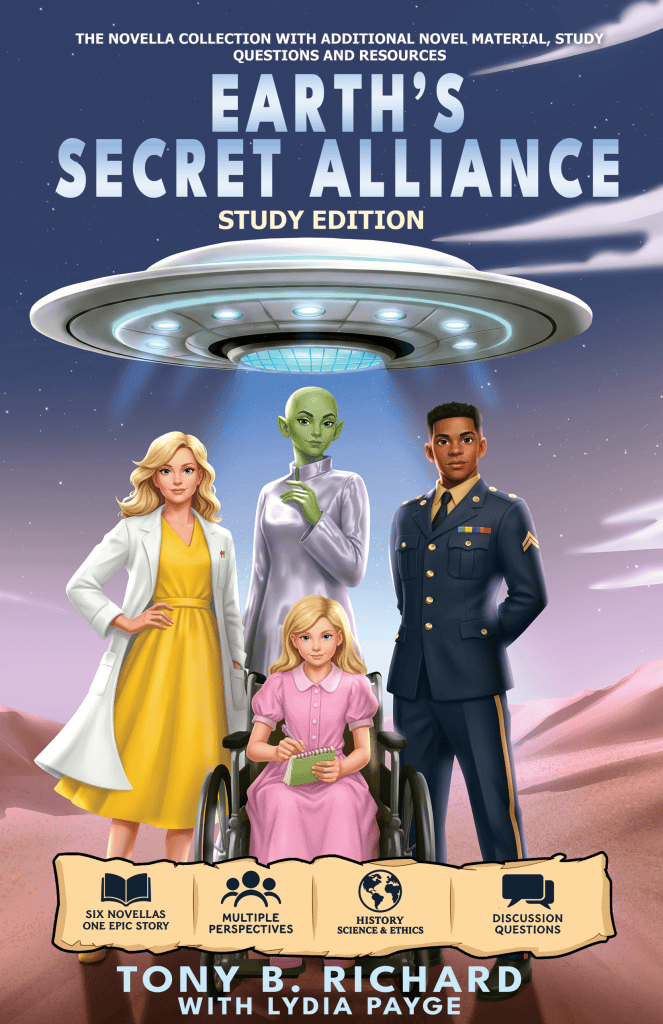
Earth’s Secret Alliance is clean, character-driven science fiction that encourages empathy, ethics, and perspective-taking—ideal for literature, social studies, and STEM-adjacent lessons exploring conscience, discovery, leadership, and what it means to be human. Beginning with the 1947 Roswell incident, the story follows soldiers, scientists, diplomats, reporters, and visitors from another world as they form an unlikely alliance.
The Study Edition
This is a complete collection of the six novellas for classrooms, libraries, homeschool groups, book clubs, and reading program leaders.
This Study Edition is made up of six character-based interrelated novellas. Because each story has its own main character, every novella offers a different entry point into the larger story.
So, the question is which story interests the reader more.
Four novellas move the main story forward in sequence. Two others—Charlie’s Big Chance and The Woundless War—overlap those events, showing what Charlie and General Jones were experiencing before, during, and beyond the other characters’ stories.
Many of the chapters contain the same scene, and therefore you can experience both points of view.
Charlotte “Charlie” Baker is the twelve-year-old reporter in a wheelchair who narrates the novel, and her commentary is included here as well.
The purpose of this edition is to give group leaders the complete story in one book, including all six novellas and the additional chapters from the chronological novel.
One such chapter contains the third perspective of when Charlie meets Dow while being guided by General Jones.
After each character’s story you will find the related material that was added or expanded in the chronological novel, and then discussion questions related to that section.
At the end of the book you will find historical, ethical, and whole-book discussion questions, as well as creative activities.
Where Should My Student Start?
The novellas are intentionally short, making them approachable for reluctant readers.
It’s a quick read—give it a try, you might enjoy it.
Each novella can serve as a starting point, focusing on a different character and offering a distinct entry into the larger story. The books here are sorted by main character age, and therefore where your reader might like to start.
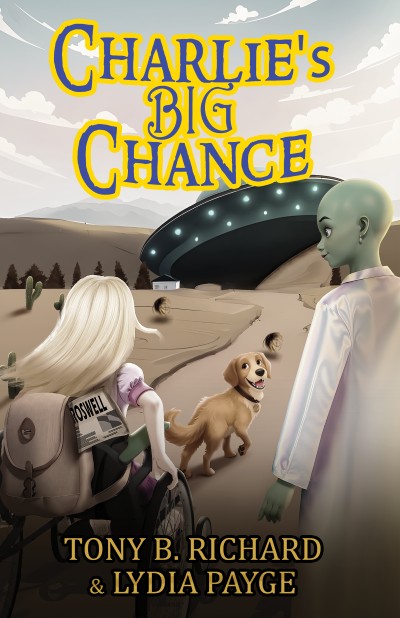
Charlie (Charlie’s Big Chance)
A determined twelve-year-old reporter in a wheelchair with a keen eye for mystery. Charlie challenges assumptions about disability, independence, and who gets to record history. Ages 9–13.
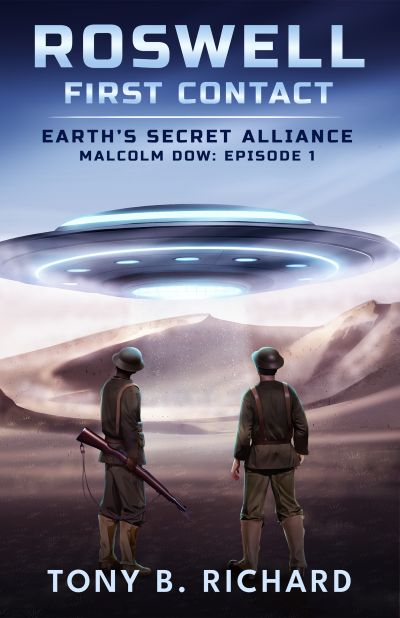
Malcolm (Roswell: First Contact)
A young Black soldier defends a Jewish comrade from bullies, and together they make first contact with an alien asking for help. Best suited to teen readers because of prejudice, bullying, military tension, and first-contact themes.

Mary (Defying Gravity)
A nineteen-year-old genius faces sexism in postwar academia while racing to prove her ideas could change the future. Especially relevant for discussions of women in STEM, academic prejudice, perseverance, humility, and professional ethics.
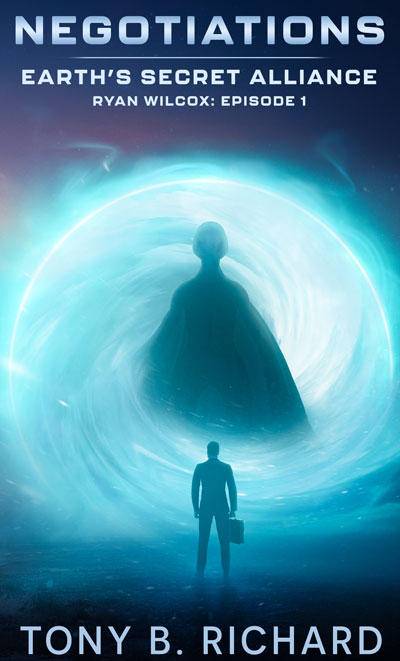
Ryan (Negotiations)
A young diplomat discovers the Zalmen are vegetarians who have never heard of meat—and are now terrified of humans. Especially relevant for discussions of diplomacy, cultural differences, food ethics, respect, and miscommunication.
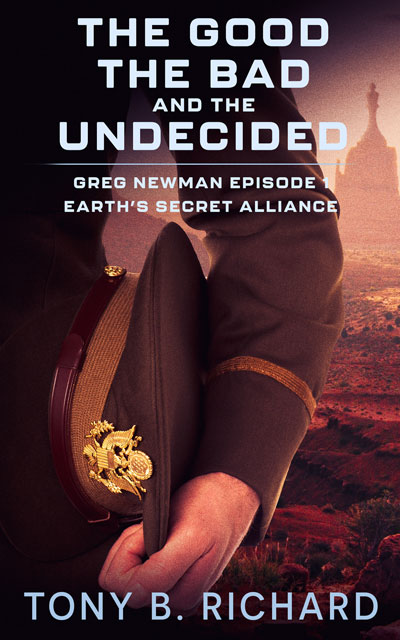
Greg (The Good, The Bad, and The Undecided)
An army general’s ambition leaves him vulnerable to a blackmailer who demands more with every compromise. Especially relevant for discussions of blackmail, ambition, small compromises, conscience, bullying, and accountability.
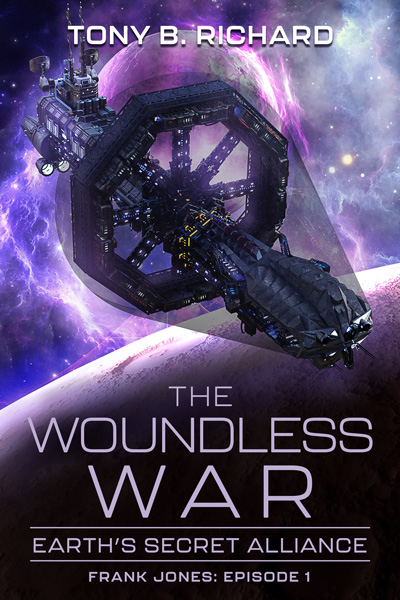
Frank (The Woundless War)
General Jones must lead humanity’s first space battle while honoring the Zalmen’s demand that no one be killed. Best suited for older teens, ages 15+, because of military conflict and mild relationship themes.
Experienced Readers can start with the full novel
Once students have read one or more novellas—or if they’re ready for the complete experience—they can continue with the full novel:
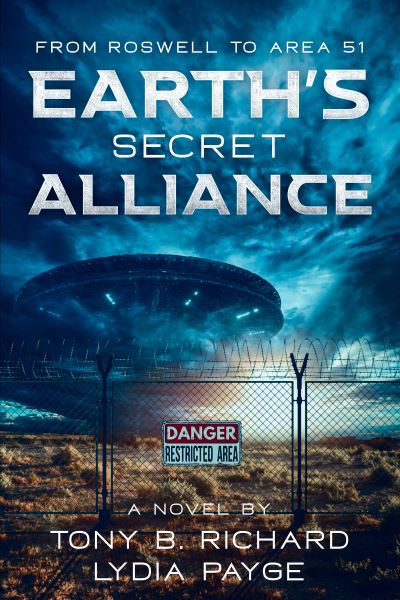
A chronological, cinematic retelling that unites all six of the above stories into one sweeping narrative. It includes additional chapters, alternate perspectives, and Charlie’s narration.
Like The Woundless War, the novel is best suited for older teens, ages 15+, because of military conflict and mild relationship themes.
Notes for Group Leaders
Most questions in this Study Edition do not have a single correct answer. They are intended to help readers examine the characters’ choices, compare perspectives, support their opinions with evidence, and consider how the story’s ethical questions apply beyond the fictional setting.
Students should be encouraged to disagree respectfully. A strong response should refer to specific events, dialogue, or character decisions rather than simply stating an opinion.
For group discussion:
Assign different students or groups to defend opposing answers to an ethical question, even when the assigned position is not their own. This can help students understand why reasonable people may reach different conclusions.
Encourage students to use the following structure:
- State a position.
- Give evidence from the story.
- Explain how the evidence supports the position.
- Consider a reasonable opposing view.
- Conclude whether the original position still stands.
Themes to Watch
Readers may notice recurring questions throughout the collection:
- Is peace possible without the ability to defend it?
- When does secrecy protect people, and when does it protect those in power?
- Can technology make people behave morally, or must morality be freely chosen?
- How do prejudice and assumptions prevent people from recognizing ability?
- What makes someone worthy of trust, forgiveness, or a second chance?
- Can people with very different values become true allies?
- What responsibilities come with knowledge, influence, and advanced technology?
Historical Context
The story takes place entirely in 1947, beginning with the Roswell incident. The characters live within the social expectations and prejudices of postwar America. Students may benefit from researching:
- racial segregation in the United States military before Executive Order 9981 in 1948;
- opportunities and barriers for women in higher education and scientific careers;
- public attitudes toward disability;
- antisemitism before and after the Second World War;
- early Cold War fears;
- the historical Roswell incident;
- the development of rocketry, atomic weapons, radar, and early computing.
The story uses real history as a foundation but remains a work of speculative fiction. Students should distinguish between documented history, historical possibility, and the author’s inventions.
Content Considerations
The collection contains bullying, prejudice, threats, kidnapping, military conflict, references to alcohol and adult relationships, and non-graphic violence. The stories contain no profanity, sexual content, or graphic violence, however, personal relationships are discussed in The Woundless War and the novel. A detailed breakdown is available in my Ratings page.
Teachers and discussion leaders may select individual novellas according to the age, interests, and needs of their readers.
A Note on Charlie’s Commentary
Charlie presents herself as the person who compiled the record. Her bracketed comments may be studied as historical annotations, personal reflections, or the interpretations of a participant who is looking back many years later.
Readers may consider both what Charlie adds to the account and how her admiration, experiences, and hindsight could influence the way she tells the story.
Discussion Questions by Story
The feedback period has ended. The current discussion questions are now available here as free resources for classrooms, homeschool groups, libraries, book clubs, and individual readers.
Most questions do not have a single correct answer. They are intended to help readers examine the characters’ choices, compare perspectives, support their opinions with evidence, and consider how the stories’ ethical questions apply beyond the fictional setting. The questions may be refined following beta-reader and editorial review.
Roswell: First Contact
Themes: Bullying, first contact, moral courage, and 1947 military tension.
Negotiations
Themes: Cross-cultural diplomacy, respect, food ethics, and miscommunication.
The Good, The Bad, and The Undecided
Themes: Blackmail, power, small compromises, conscience, and forgiveness.
Defying Gravity
Themes: Women in STEM, academic prejudice, humility, perseverance, and relationships.
Charlie’s Big Chance
Themes: Secrecy, investigative journalism, disability representation, independence, and patriotism.
The Woundless War
Themes: Nonviolent warfare, strategic deterrence, defensive force, leadership, and forgiveness.
Additional character, theme, history, curriculum, and whole-book resources will be added as the Study Edition develops.
Please contact me for more information. Subscribe to keep in touch.
Request a Beta Copy
The Study Edition is expected in early 2027. Before it is finalized, I am offering free printed beta paperbacks to the first five qualified applicants who agree to read the book and provide thoughtful feedback. Teachers, librarians, homeschool educators, book-club leaders, and parents who would seriously consider using the book educationally are welcome to apply. After the five printed copies have been claimed, PDF beta copies will remain available. Complete the form below to request a beta copy.

